 Return to the range "Electrotechnics & Renewable Energy"
Virtual Indus "Empowerment"
Virtual training module on electrical accreditation
Virtual training module on electrical accreditation
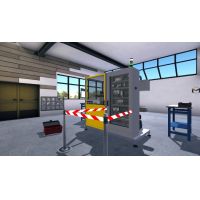
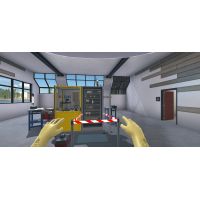
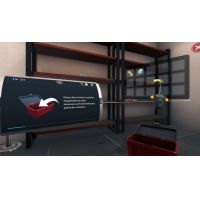
Virtual Indus Certification is a version of Virtual Indus with 3D scenarios that enable users to acquire and consolidate practical skills associated with theoretical knowledge related to electrical certification
The training modules have been designed with expert trainers, referring to official documents (NF C 18-510 standard, Decree 2010-1118 of September 22, 2010, UTE guides).
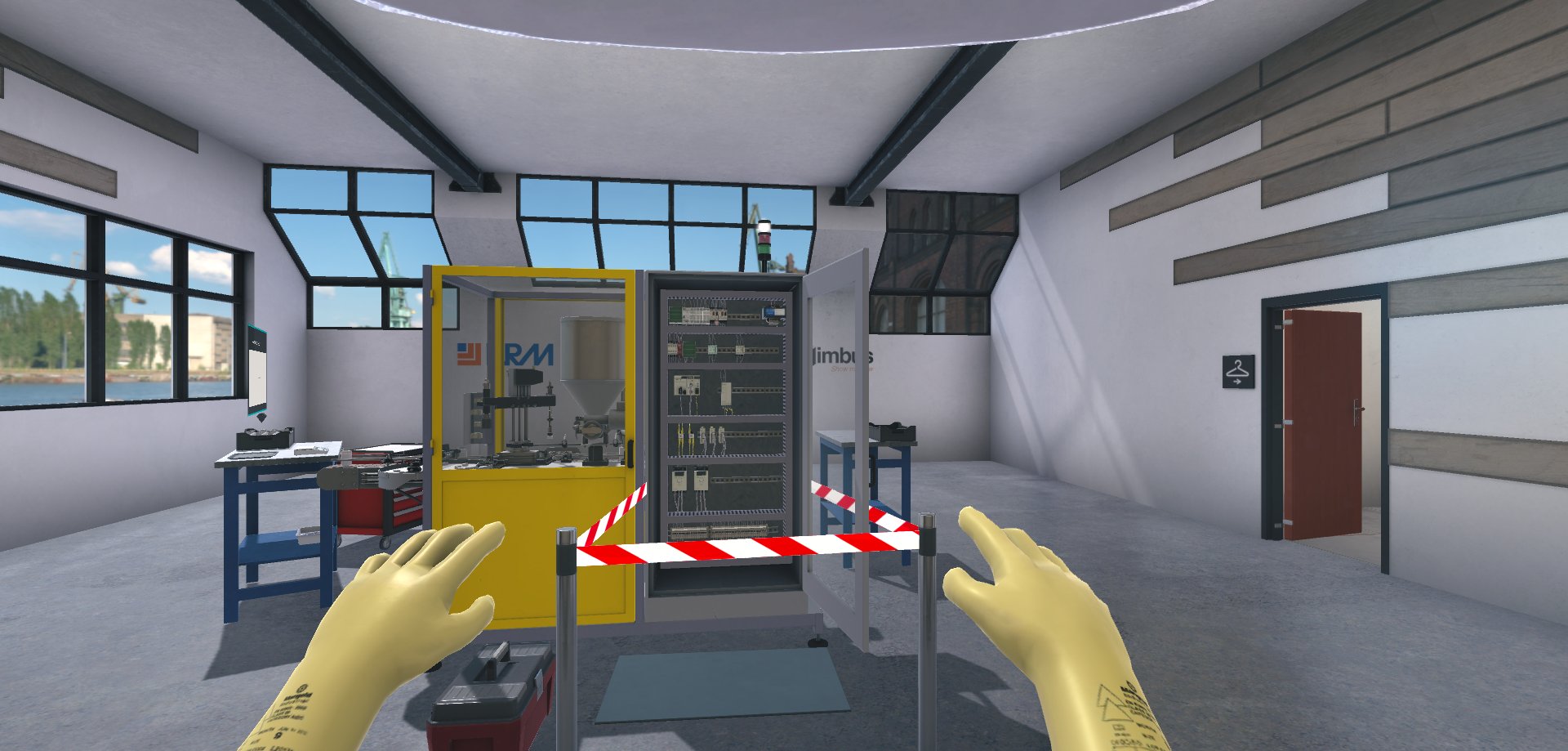
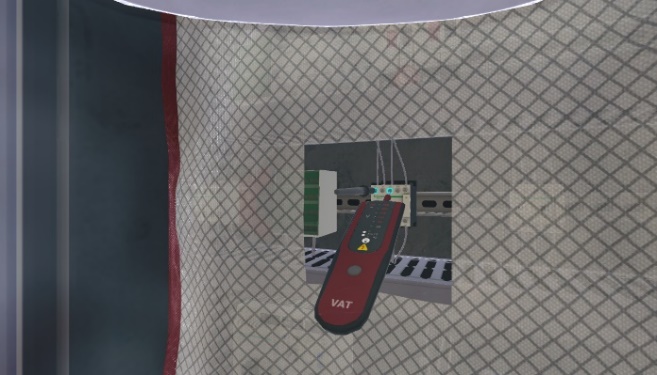
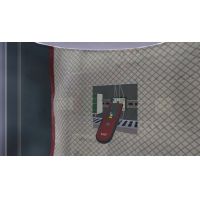
The main objective of this module is to perform an electrical operation in a reinforced LV neighborhood zone (zone 4) with the installation and removal of an insulating sheet
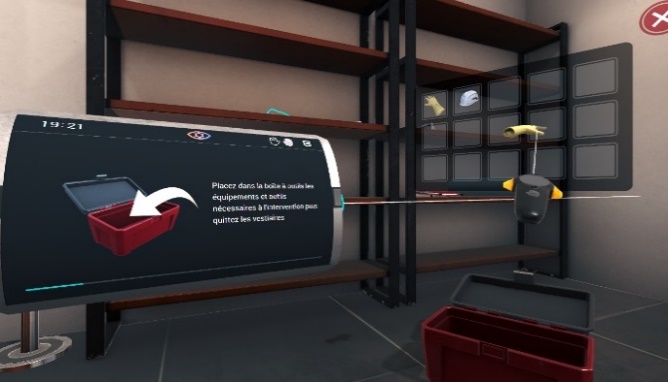
This involves changing a de-energized contactor (preliminary intervention by the BC to lock out the equipment) using the correct equipment (PPE, EIS, and EPC) while complying with orders and instructions and behaving in a manner appropriate to the risks.
The main objective of this module is to perform basic low-voltage work on a de-energized installation component outside zone 4
This module consists of 2 sequences
The main objective of this module is to replace a defective component after logging it on one's own behalf and to recommission the installation requiring an adjustment task
This involves replacing the Q6 motor circuit breaker after locking out the system, then restarting the installation, ensuring that this electrical component is correctly adjusted. These operations will be carried out using the correct equipment (PPE, ISE, and CPE) while complying with orders and instructions and behaving in a manner appropriate to the risks involved.
The main objective of this module is to carry out lockout in one step, supervise the work entrusted to operators, and have electrical work carried out in a simple vicinity (zone 1) with the power off, and to unlock the system at the end of the work
This involves locking out the system with grounding and short-circuiting, then having the work carried out by an electrician and unlocking the system using the correct equipment (PPE, ISE and CPE) while complying with orders and instructions and behaving in a manner appropriate to the risks.
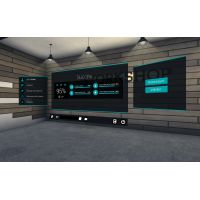
Virtual Indus integrates major cross-functional features for each training module, particularly for movement, interactions, and activity management.
Movement and interactions are managed by the hardware part of Virtual Indus, including the headset (or glasses), controllers, and tracking device.
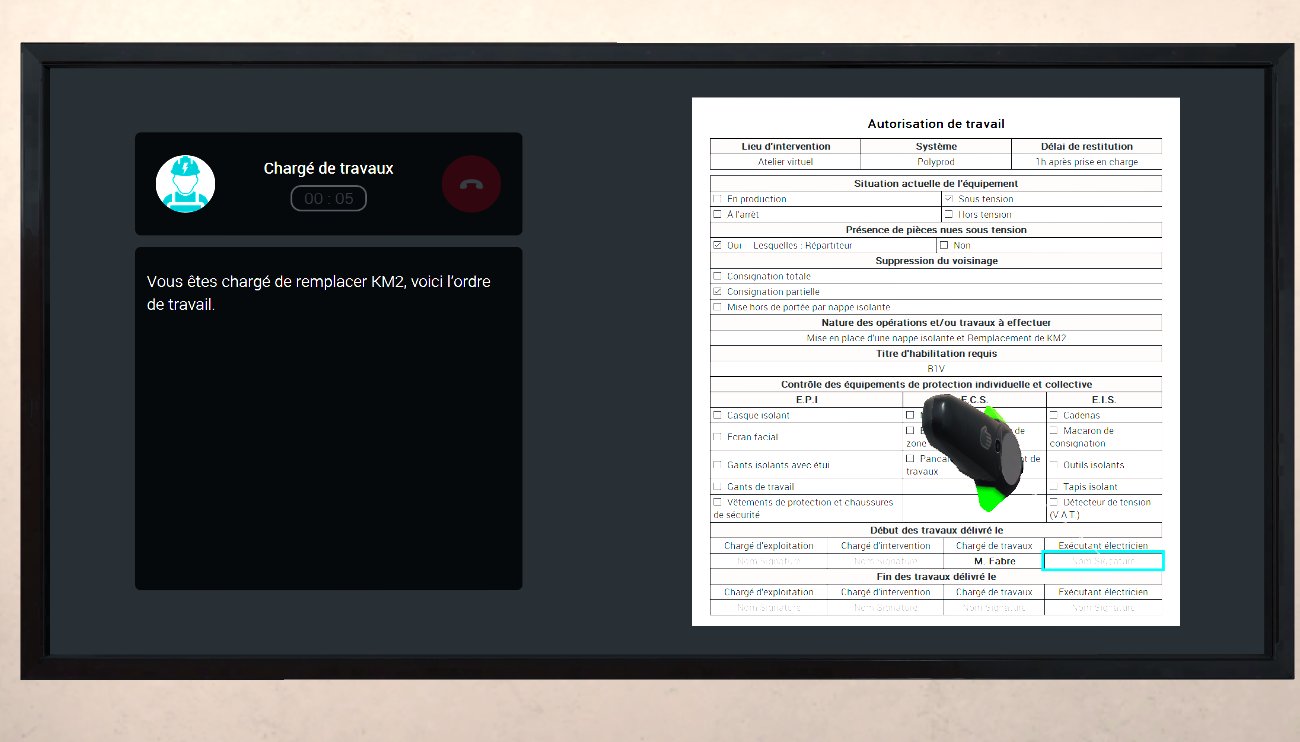
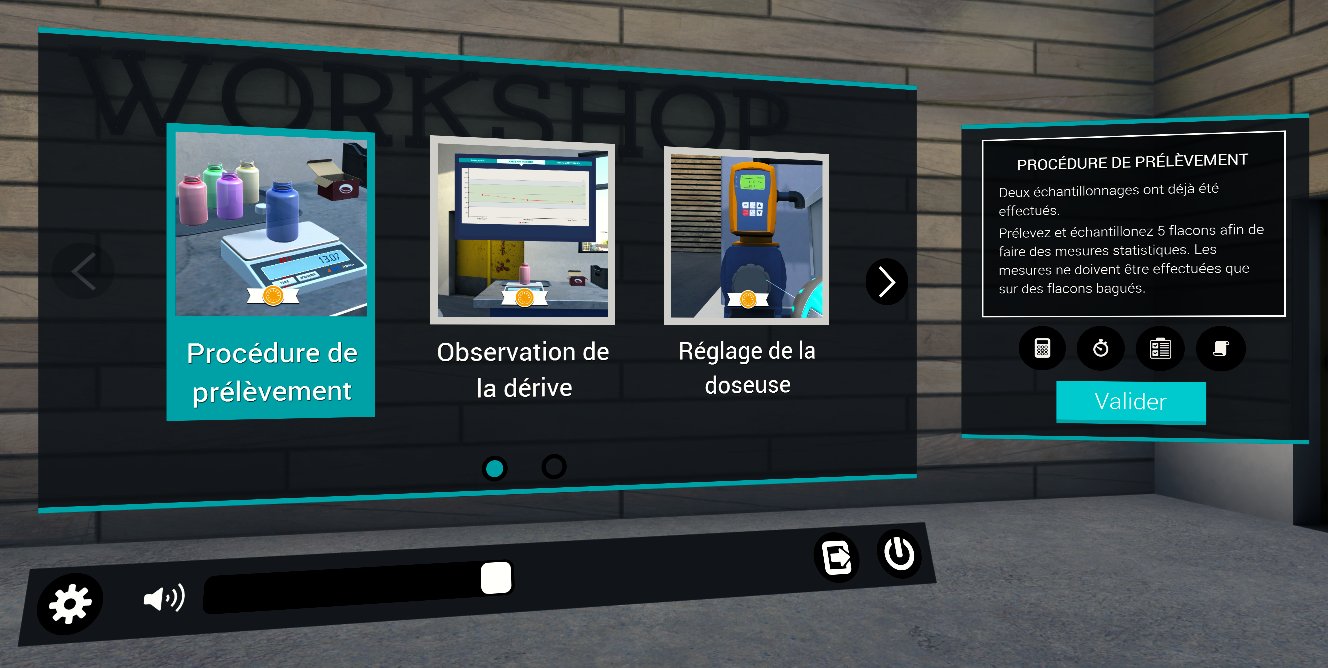
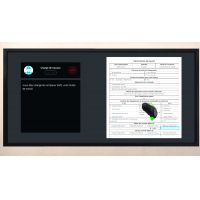
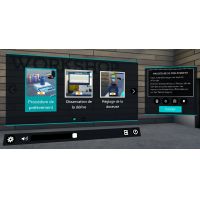
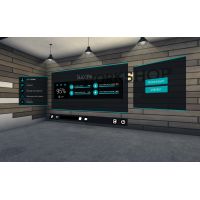
Activity management is handled by a virtual desktop with a virtual home screen (login, choice of activities, choice of teaching aid (3D system), choice of training module, and general settings).
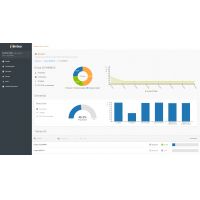
Virtual Indus Habilitation integrates the Vulcan environment, either in a local version or a cloud version. This environment allows the trainer to interact with the training course in a spirit of individualization of training.
Management of training courses, classes, groups, learners, training courses, and educational activities.
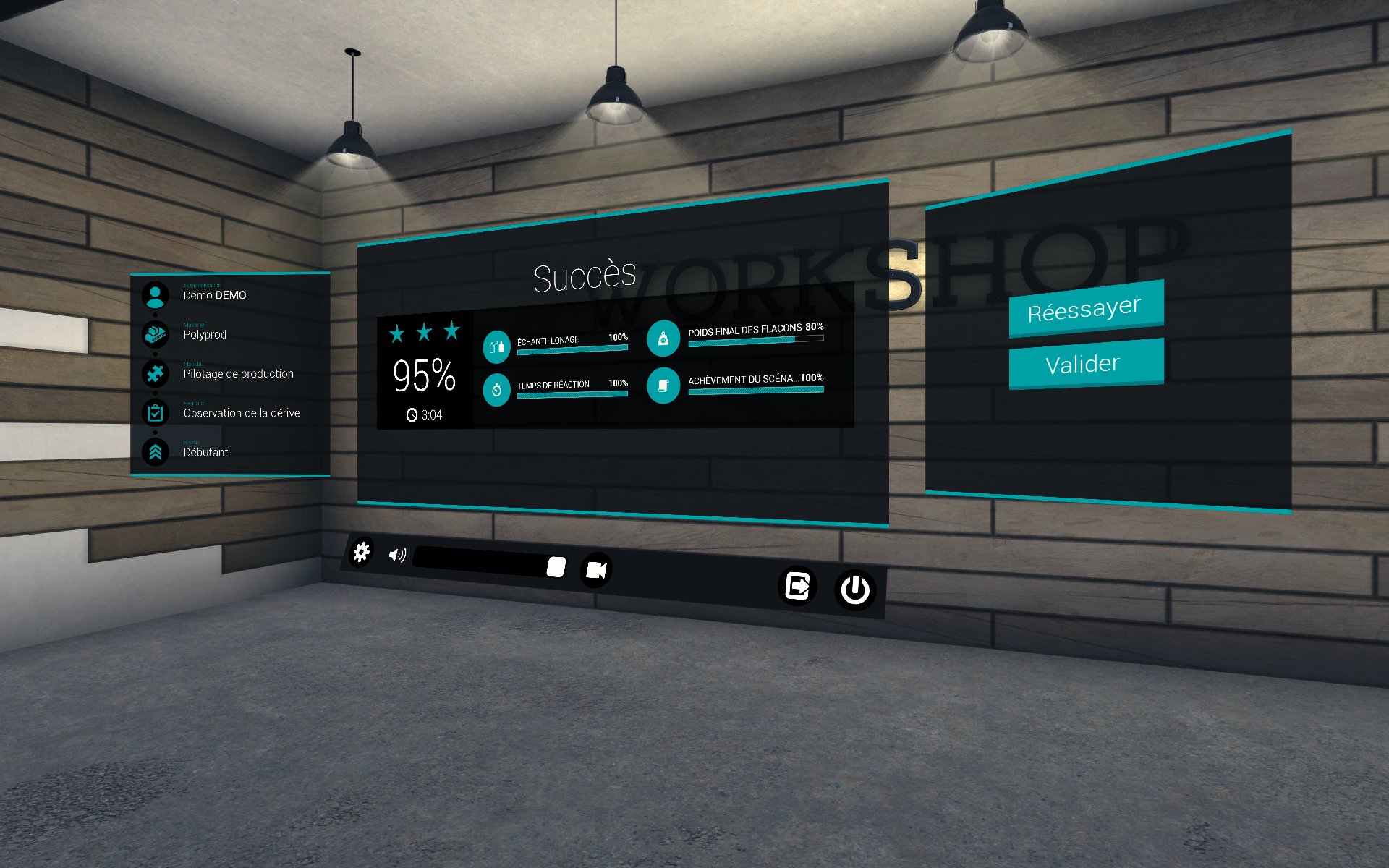
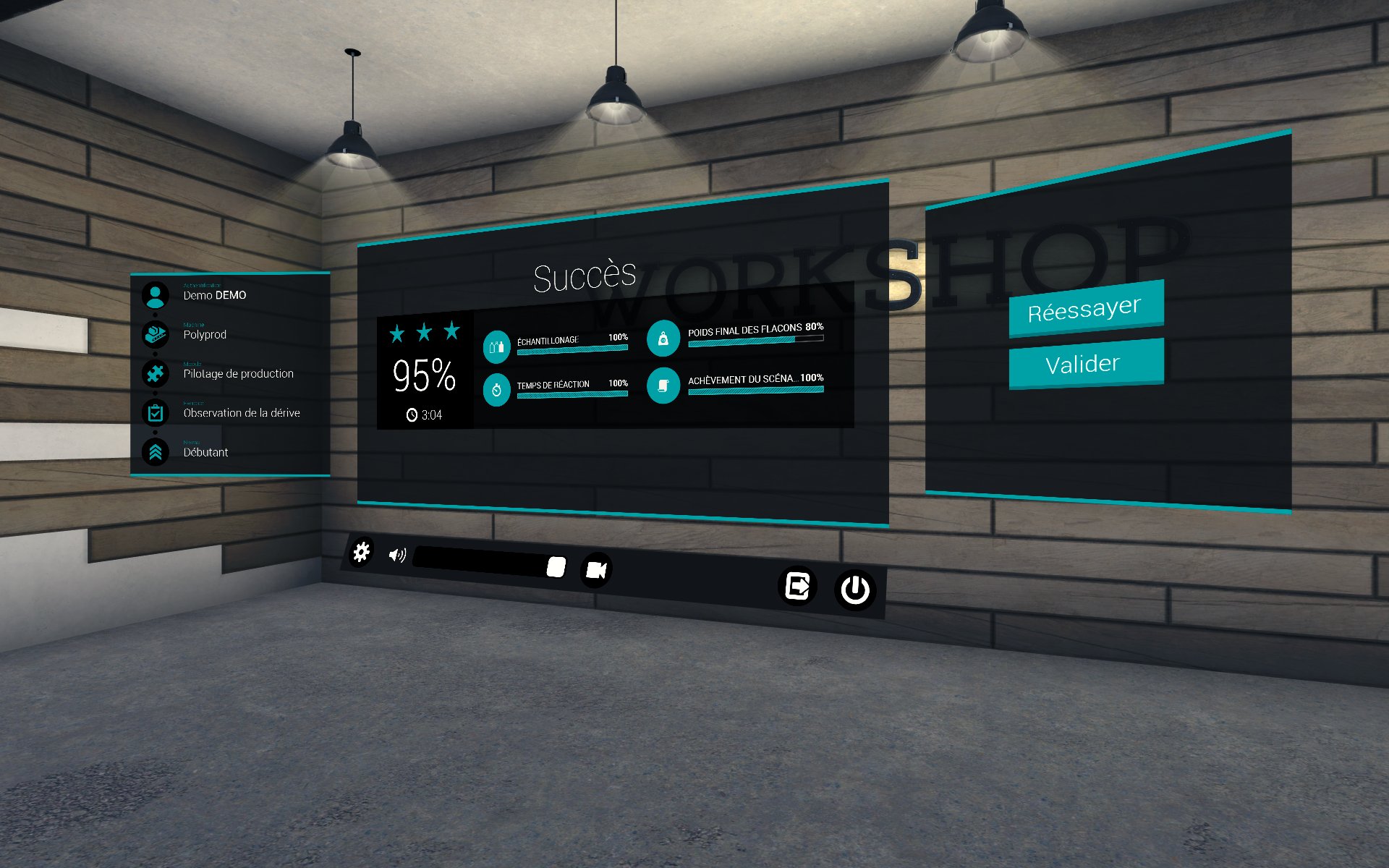
Real-time monitoring of professional skills development and analysis of results
Recording of the scene for later viewing, enabling analysis of any failures and proposal of objective remedies (knowledge, method, etc.)
Enables practical skills (know-how and interpersonal skills) to be developed during theoretical training with the "right to make mistakes" without risk to learners or equipment.
Increased learning opportunities to accelerate the development of professional skills
Individualized training with monitoring of educational progress (Vulcan training space)
Work in complete autonomy for the learner
VS010-04-1: Virtual training module: Electrical certification for B1V (electricians) with work on the Polyprod dosing/capping cell – 1 license
VS010-05-1: Virtual training module: Electrical certification BS (basic intervention officer) 2 sequences (industrial intervention on 400V socket box and tertiary intervention on 230V socket and lighting) – 1 license
VS010-06-1: Virtual training module: Electrical accreditation for BR (general intervention officer) with intervention on Polyprod dosing/plugging cell – 1 license
VS010-07-1: Virtual training module: Electrical accreditation for B2-BC (work and lockout supervisor) with work on Polyprod dosing/capping cell – 1 license
Variants are available for multiple licenses for the same establishment – Please contact us
 Virtual Indus "Habilitation"
 Virtual Indus - Habilitation Electrique B1V