 Return to the range "Engineering Science"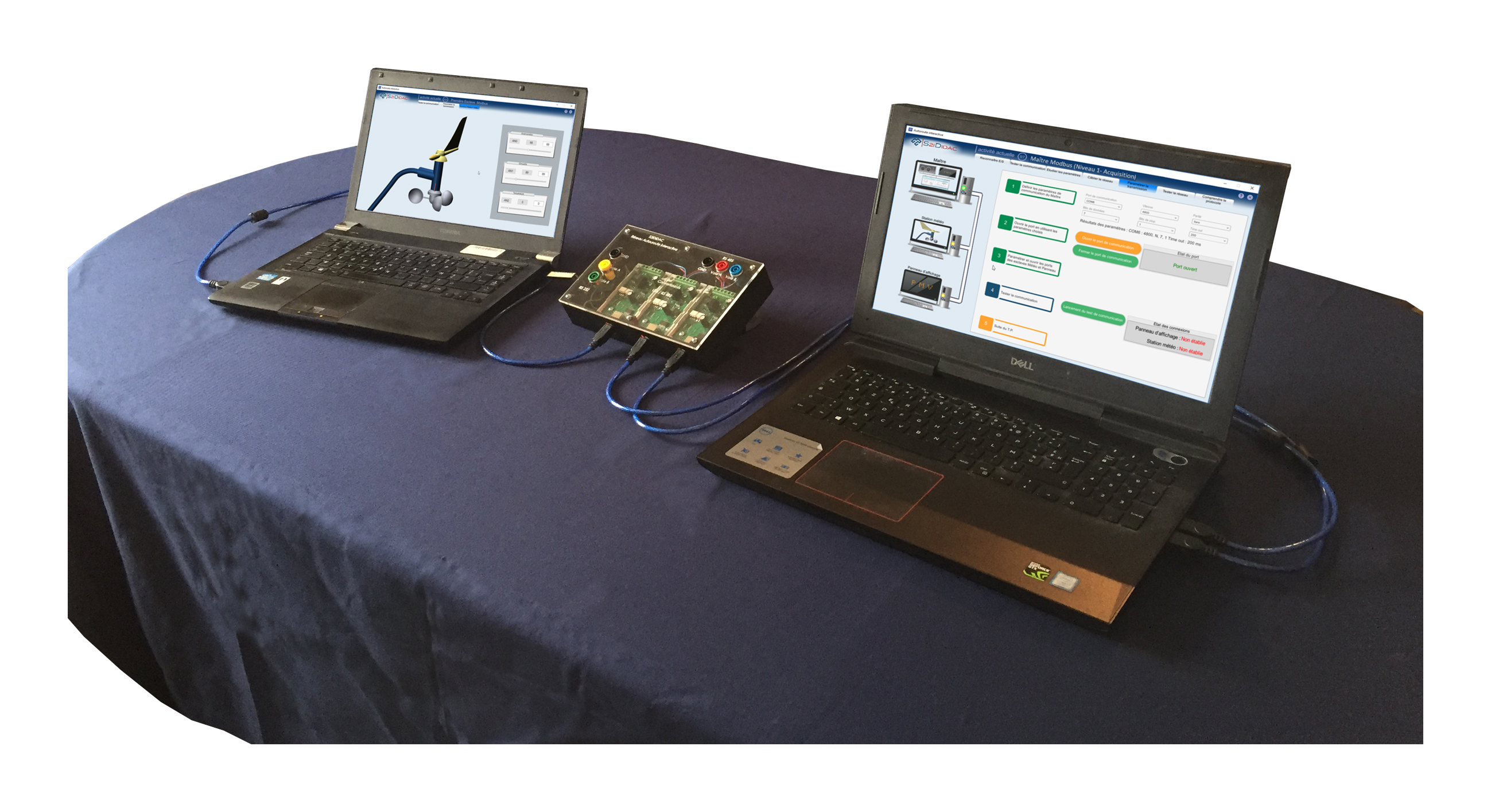
Interactive Highway Network
SI
Doc. commercial Fr
 Réseau Autoroute Interactive SI
Doc. technique
Vidéo
 Vidéo Réseau Autoroute Interactive
Related ranges :
SI
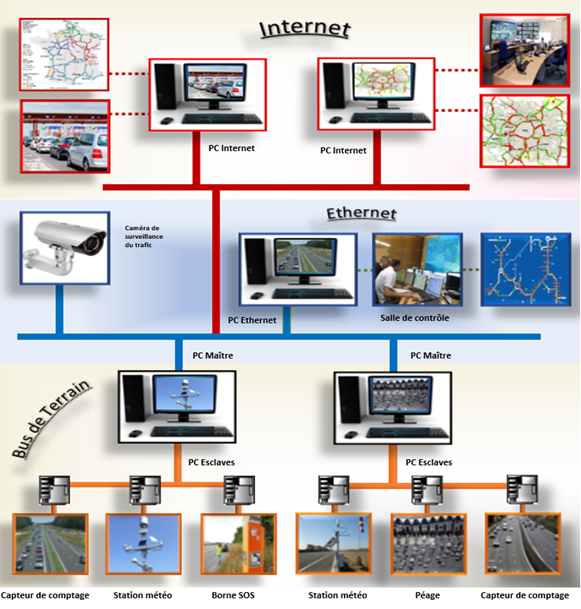
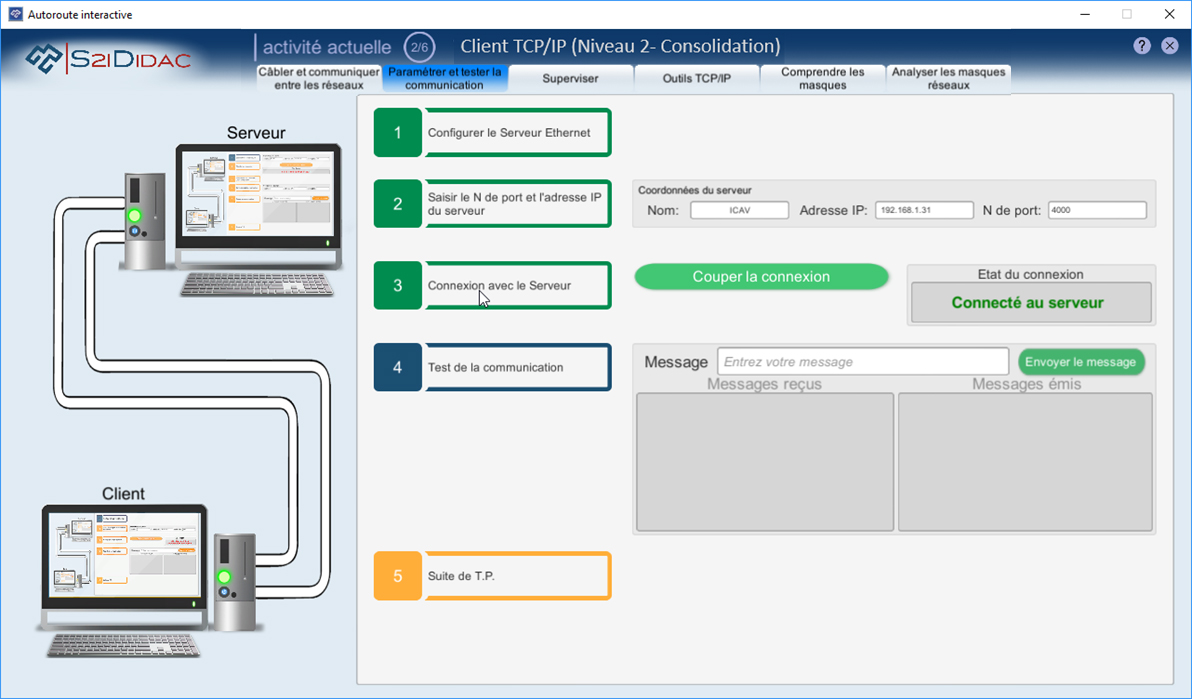
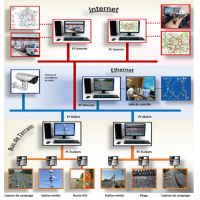
The educational system Interactive Highway Network is based on a real-world system for monitoring and managing highways.
The real Agora system is used to manage and organize road traffic safety. It informs and guides motorists by broadcasting information and traffic conditions.
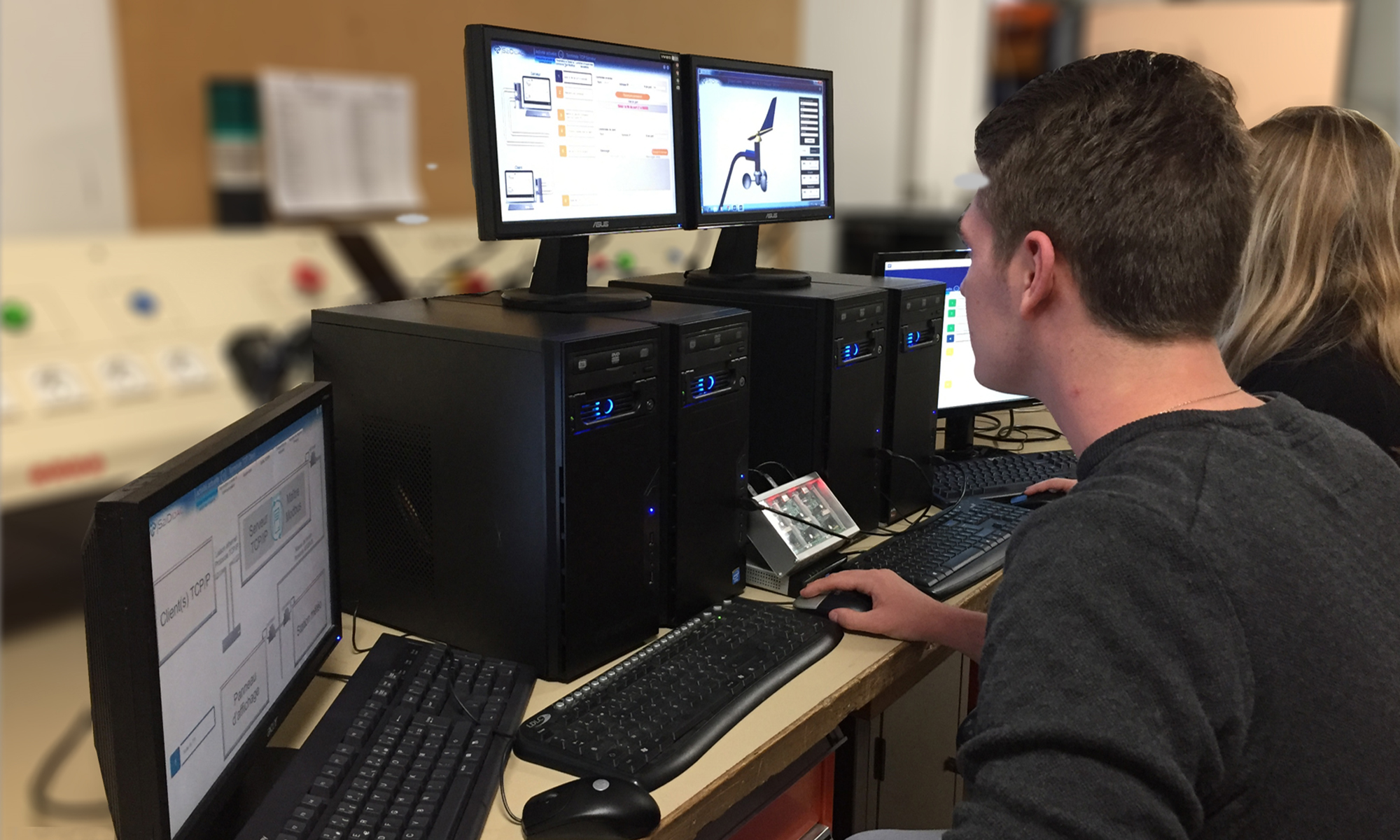
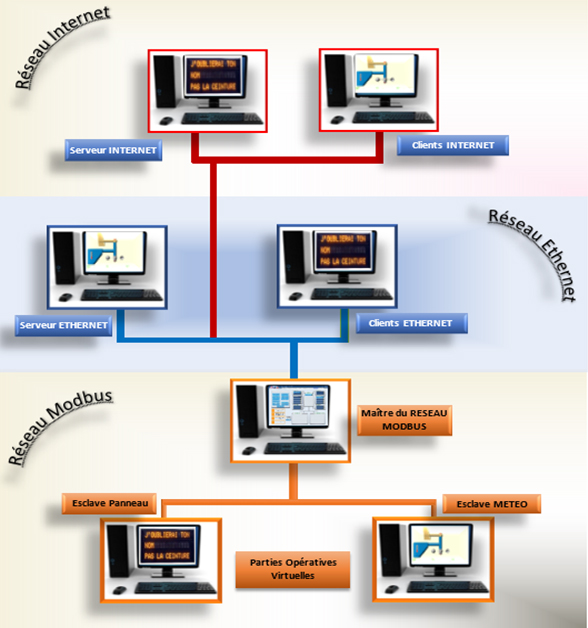
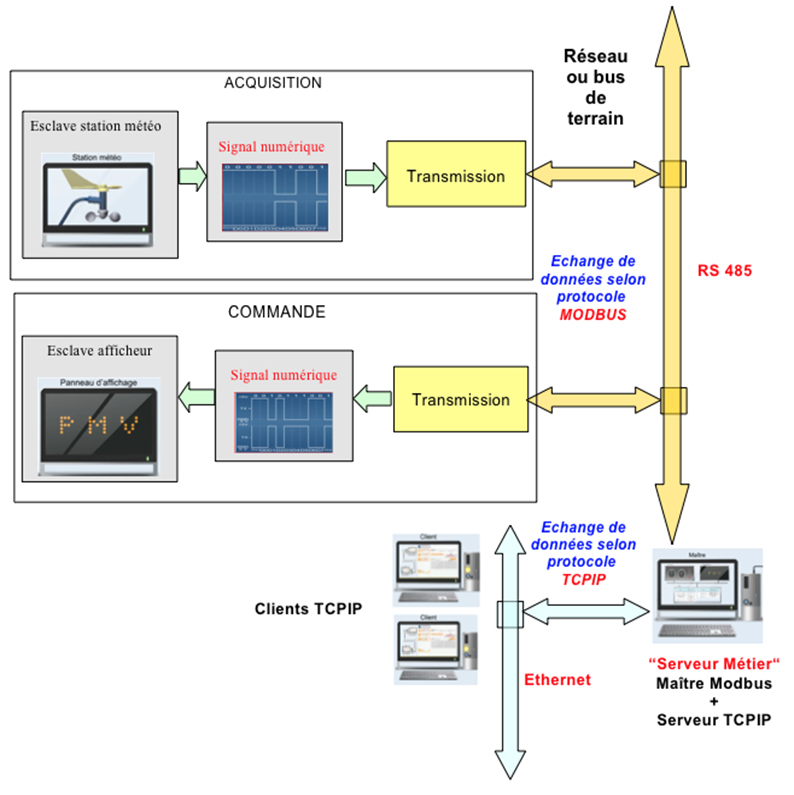
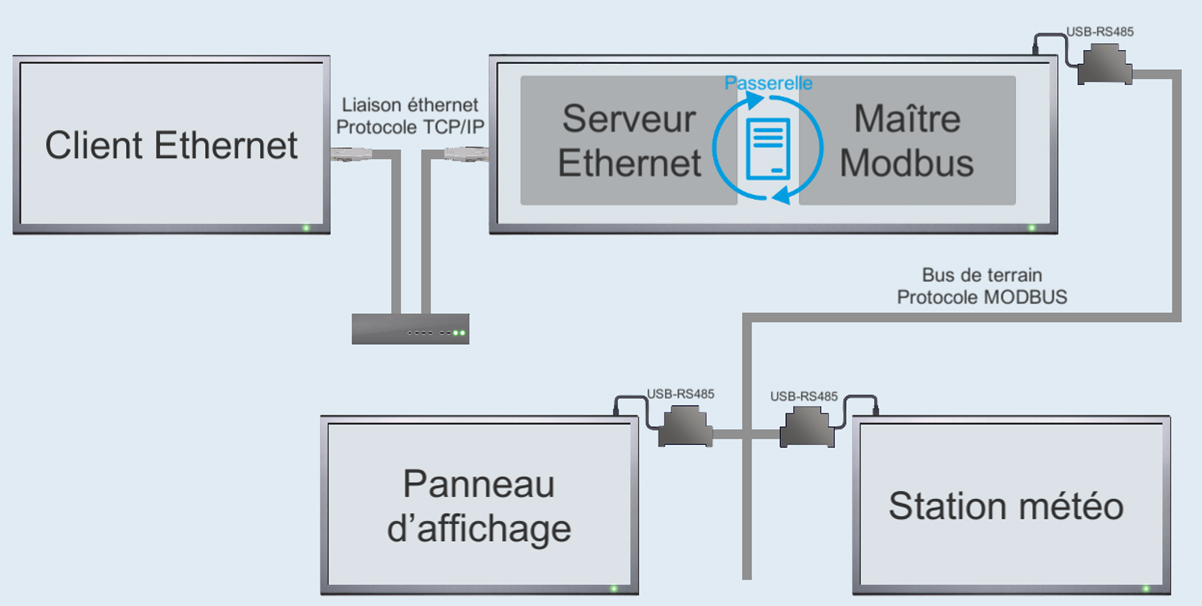
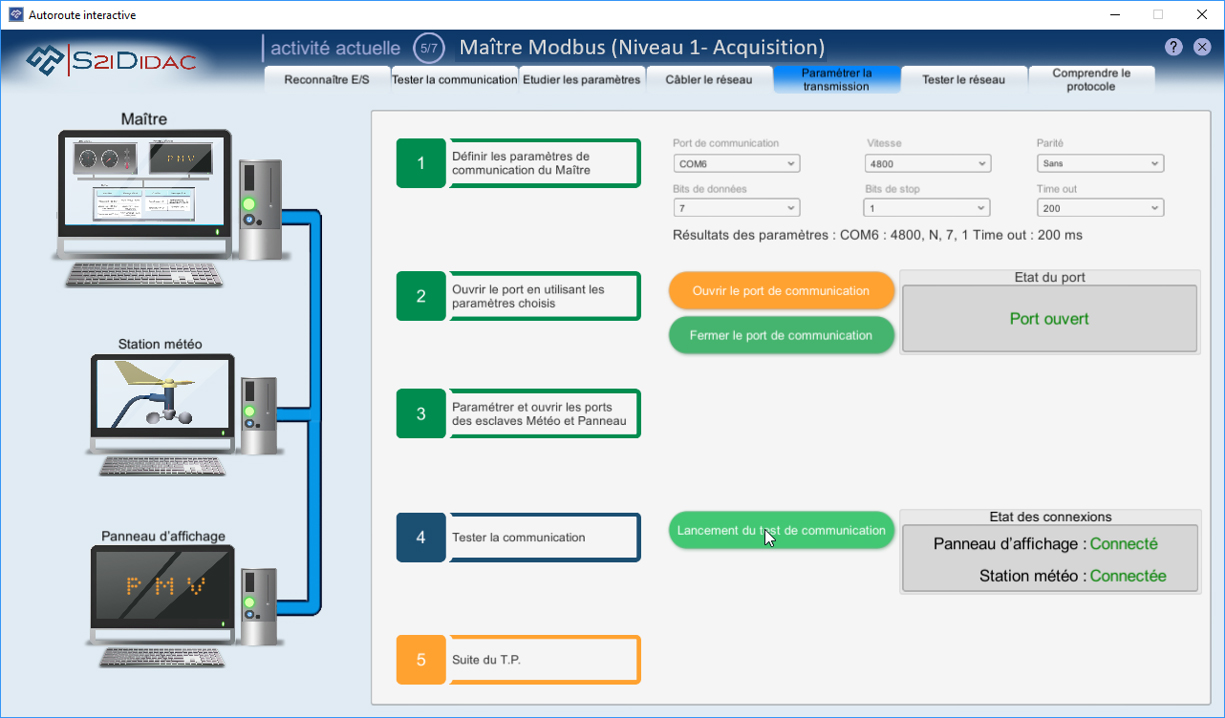
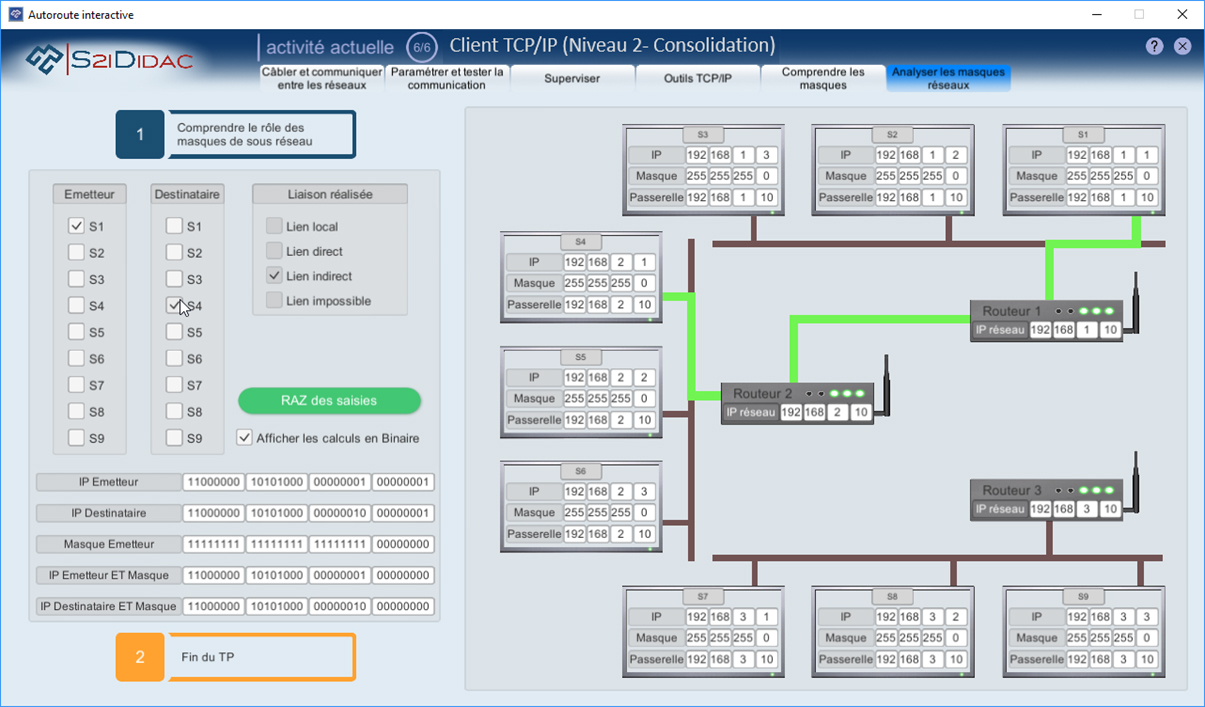
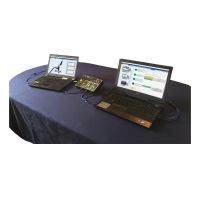
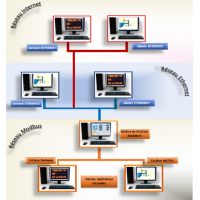
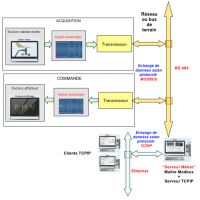
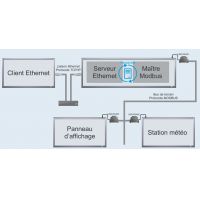
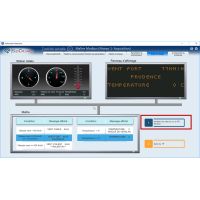
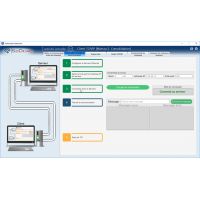
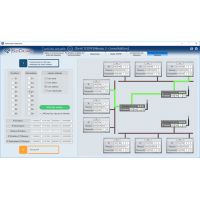
The teaching system uses the architecture of the 3-layer hierarchical network, field bus (Modbus) and computer bus (Ethernet, Internet). It integrates the "business" server (Modbus master) communicating with two virtual operating parts (weather station and display panel) and the "TCP/IP" server connected to the client workstations (TCP/IP).
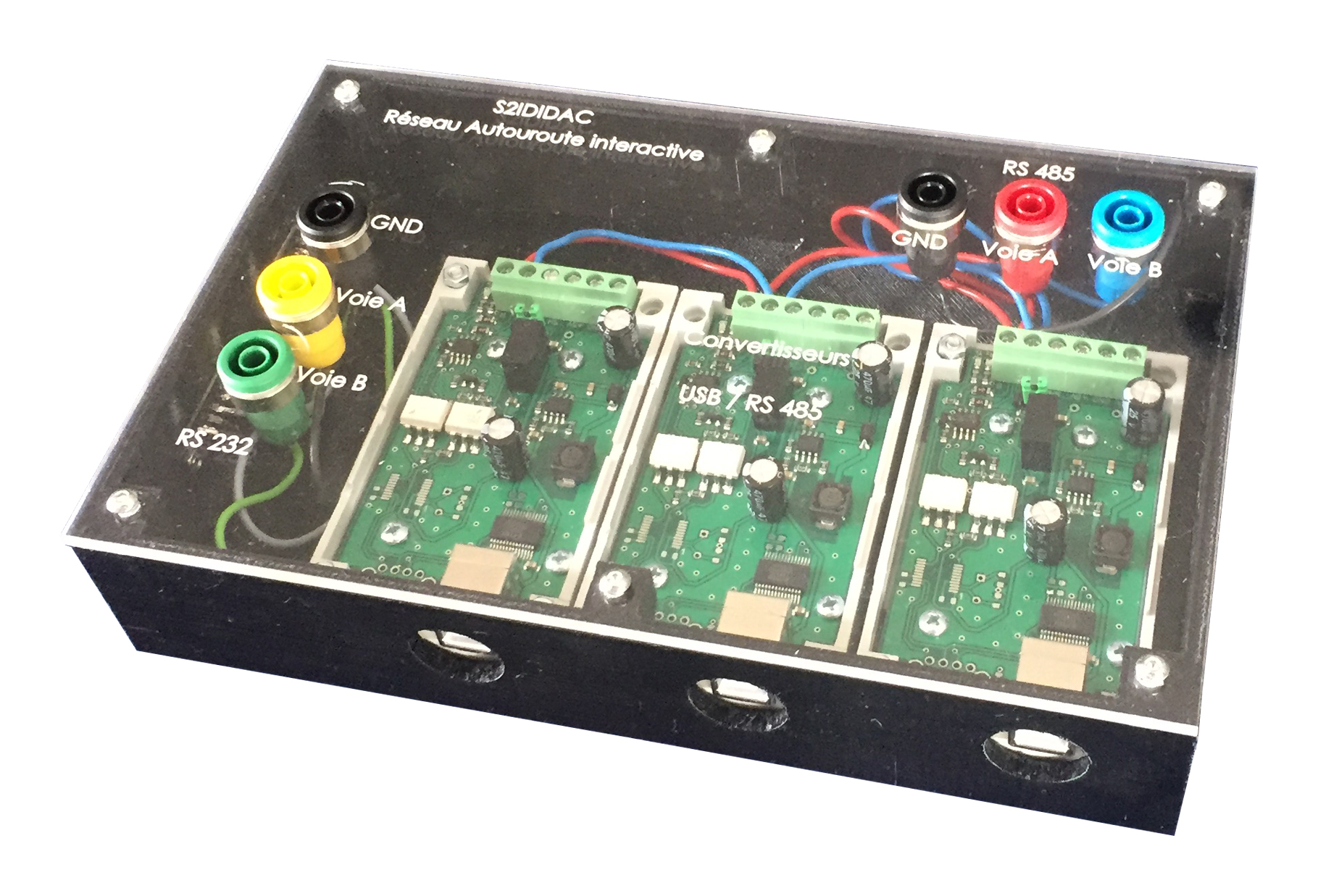
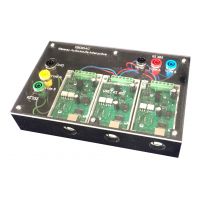
RS232 / RS485 field bus with converters
Ethernet / Internet computer bus
Master / Slave communication
Client/server communication
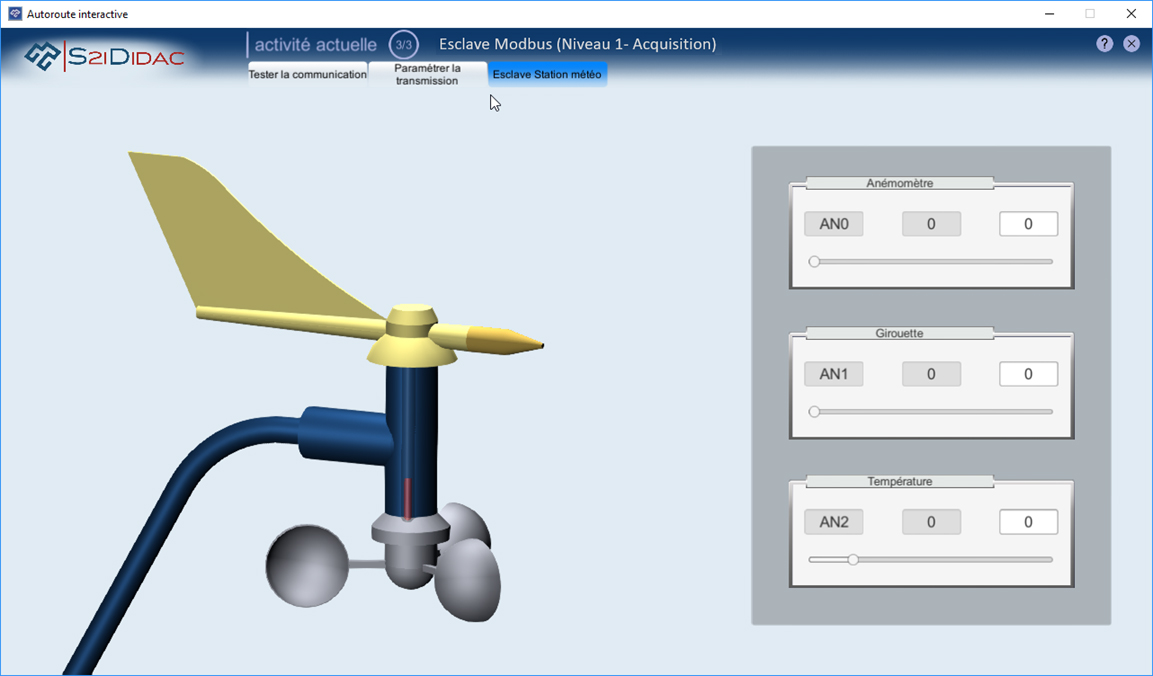
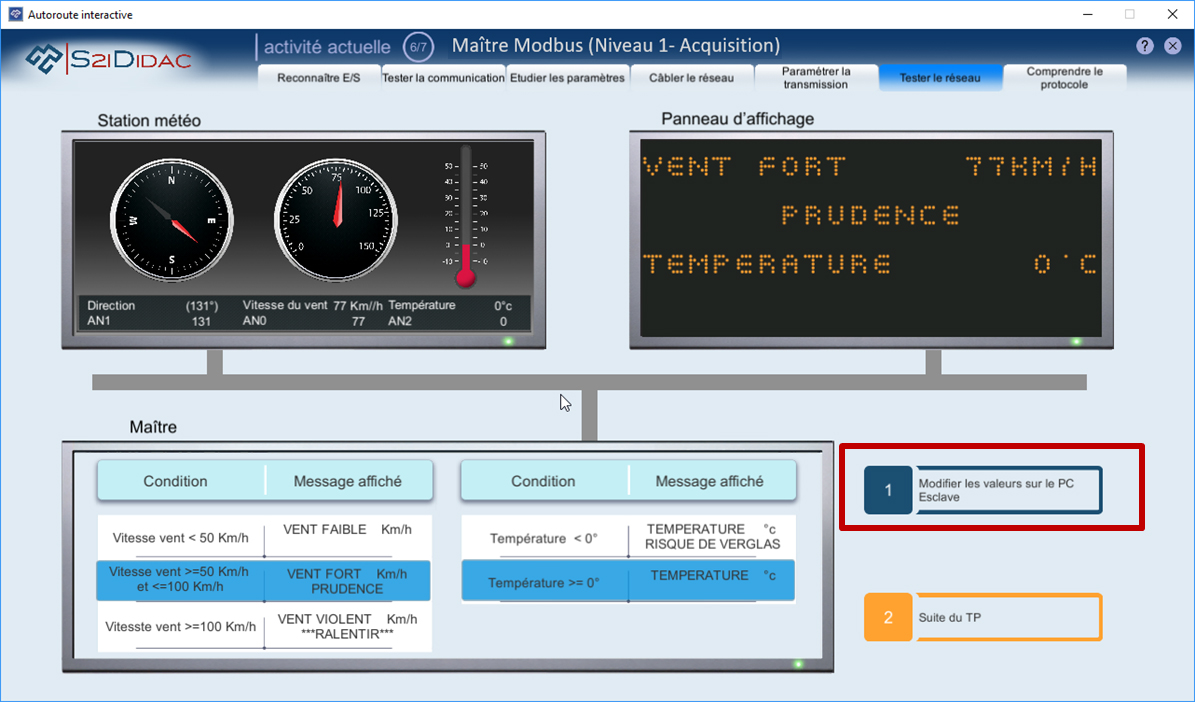
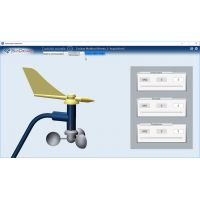
Virtual operating parts: weather station and display panel
The educational sequences provided implement the following skills: Analyze, Model and Solve, Experiment and Simulate, Innovate
Sequence 1:
Sequences 2 and 3:
Sequence 4:
Sequence 5:
Sequences 6 and 7:
Projects:
Fits perfectly into the theme of "smart territories and products, mobility of people and goods" of the future SSI Baccalaureate
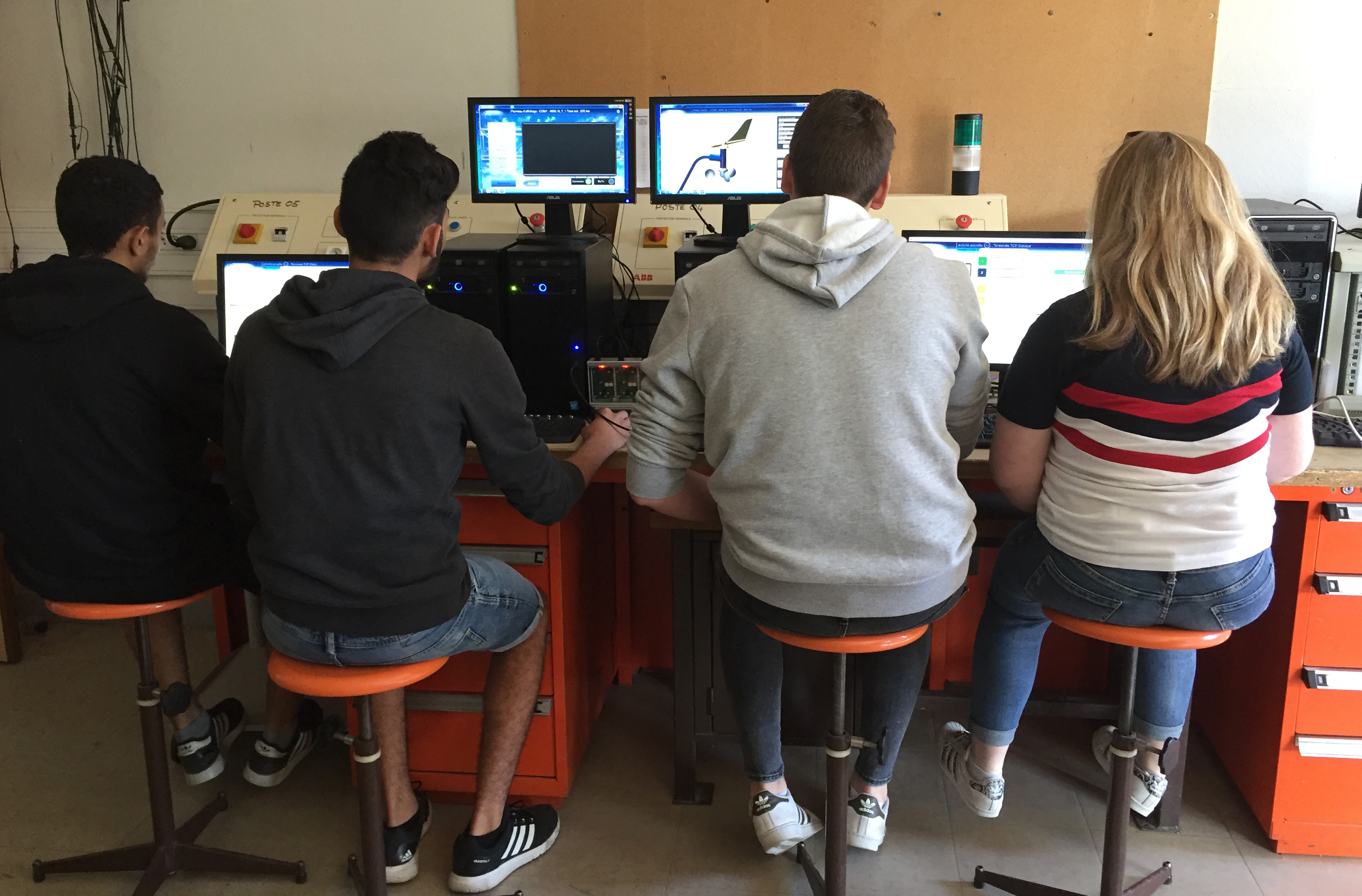
Interactive teaching system and communication for the acquisition of skills related to network architecture and communication between computers and peripherals.
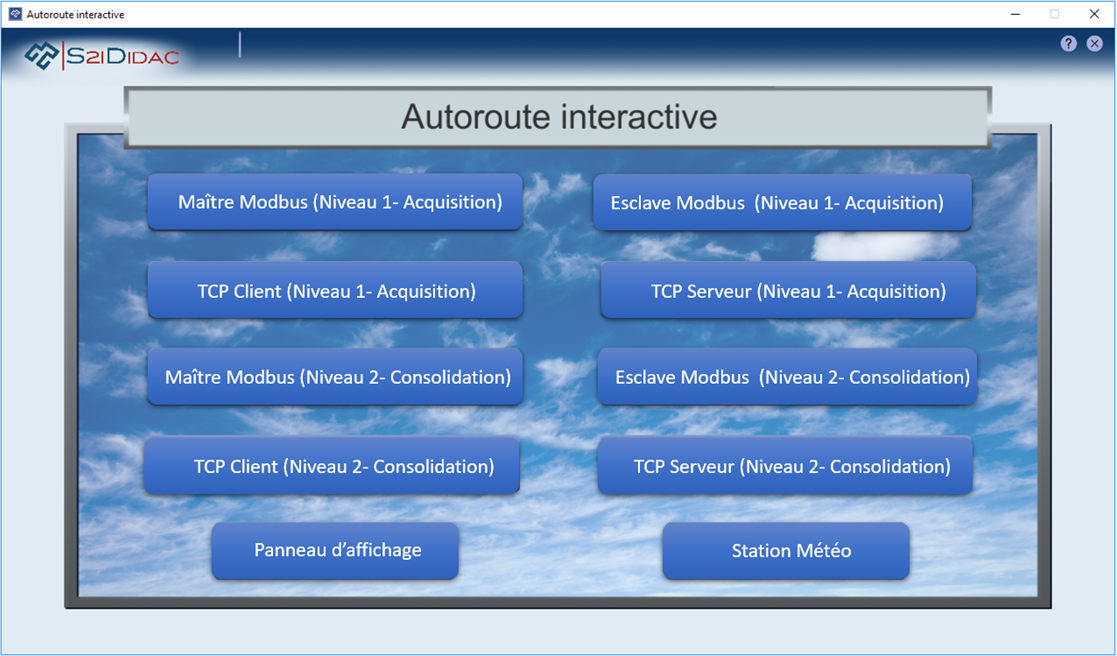
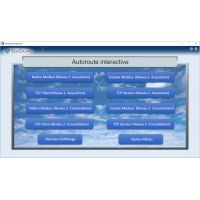
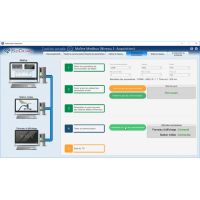
Software structured in two learning levels: Acquisition and Consolidation
Physical measurement points allowing RS232 and RS485 signals to be viewed with an oscilloscope.
Can be used as a project support with the integration and/or creation of a weather station and/or a real display panel.
Technical file (real system and educational system), as well as all the resources needed for implementation with practical work
Educational file with practical work sheets, practical work instructions, answer keys, and formalization sheets
S2I/300: Interactive Highway Network
Composition:
S2I/310: Project Supplement - Display Panel (variable message panel) - File and equipment
S2I/320: Project Supplement - Weather Station - File and equipment
S2I/330: Box with converters, switch, and additional cables - Allows for a new practical work station
Composition: