 Return to the range "Electrotechnics & Renewable Energy"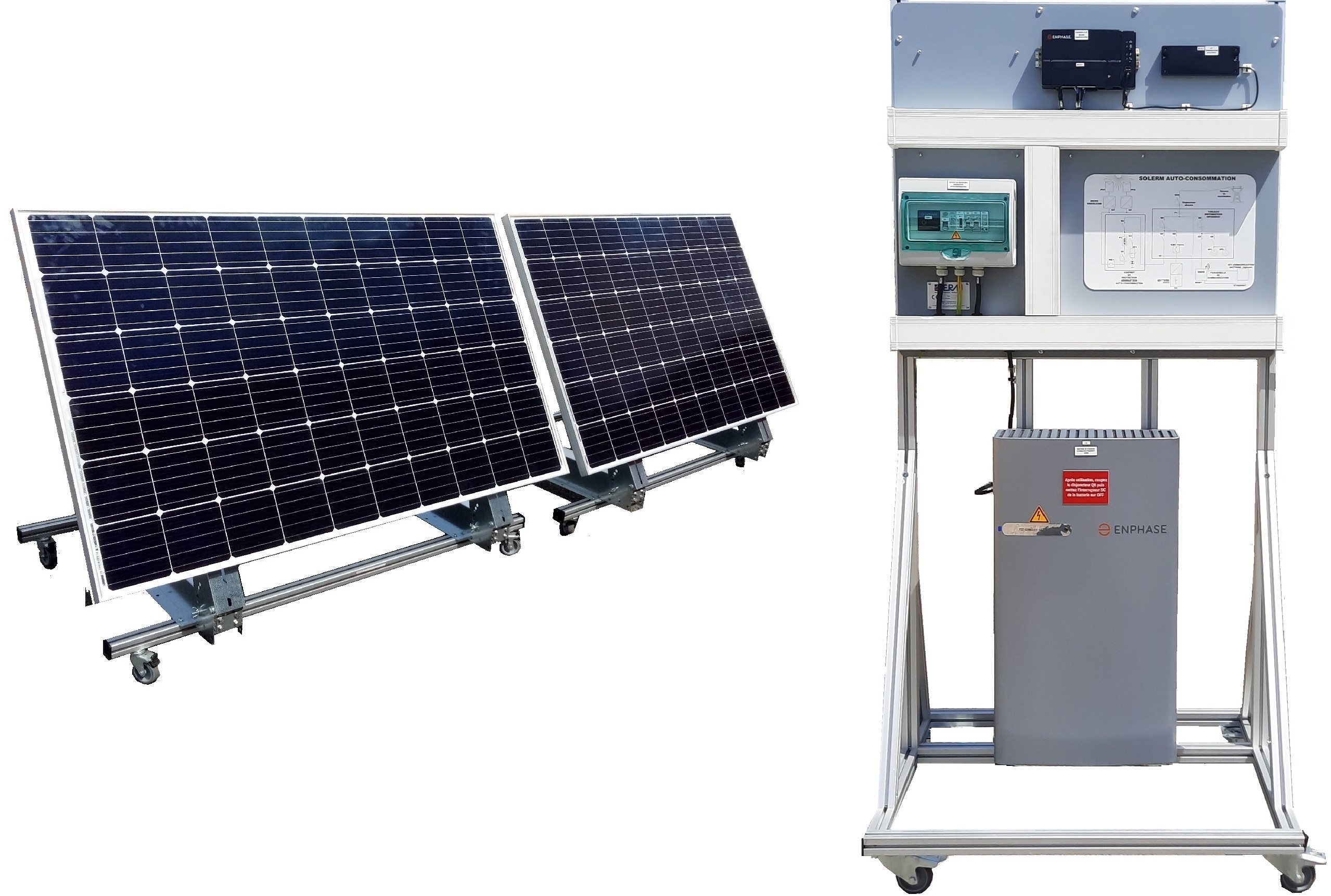
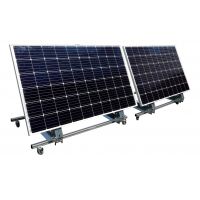
Solerm Self-supply
Photovoltaic kit with micro-inverters and gateway for cloud datalogging
Doc. commercial Fr
 Solerm Autoconsommation
Site Internet
 Serveur Enlighten Enphase Energy
Vidéo
Related ranges :
Photovoltaic kit with micro-inverters and gateway for cloud datalogging
The Solerm Self-Consumption system is a photovoltaic solution designed for residential, commercial, or industrial installations. Its main objective is to reduce dependence on the electrical grid by producing renewable energy locally, close to where it is needed.
Its architecture is based on micro-inverters installed behind each photovoltaic panel, which improves flexibility, individual panel optimization, and overall performance.
The system includes:
This system makes it possible to optimize electricity consumption, reduce dependence on the grid, sell surplus energy produced, and improve self-consumption through battery storage.
Direct and alternating current (grid-tied Enphase microinverter, 230V, 360W)
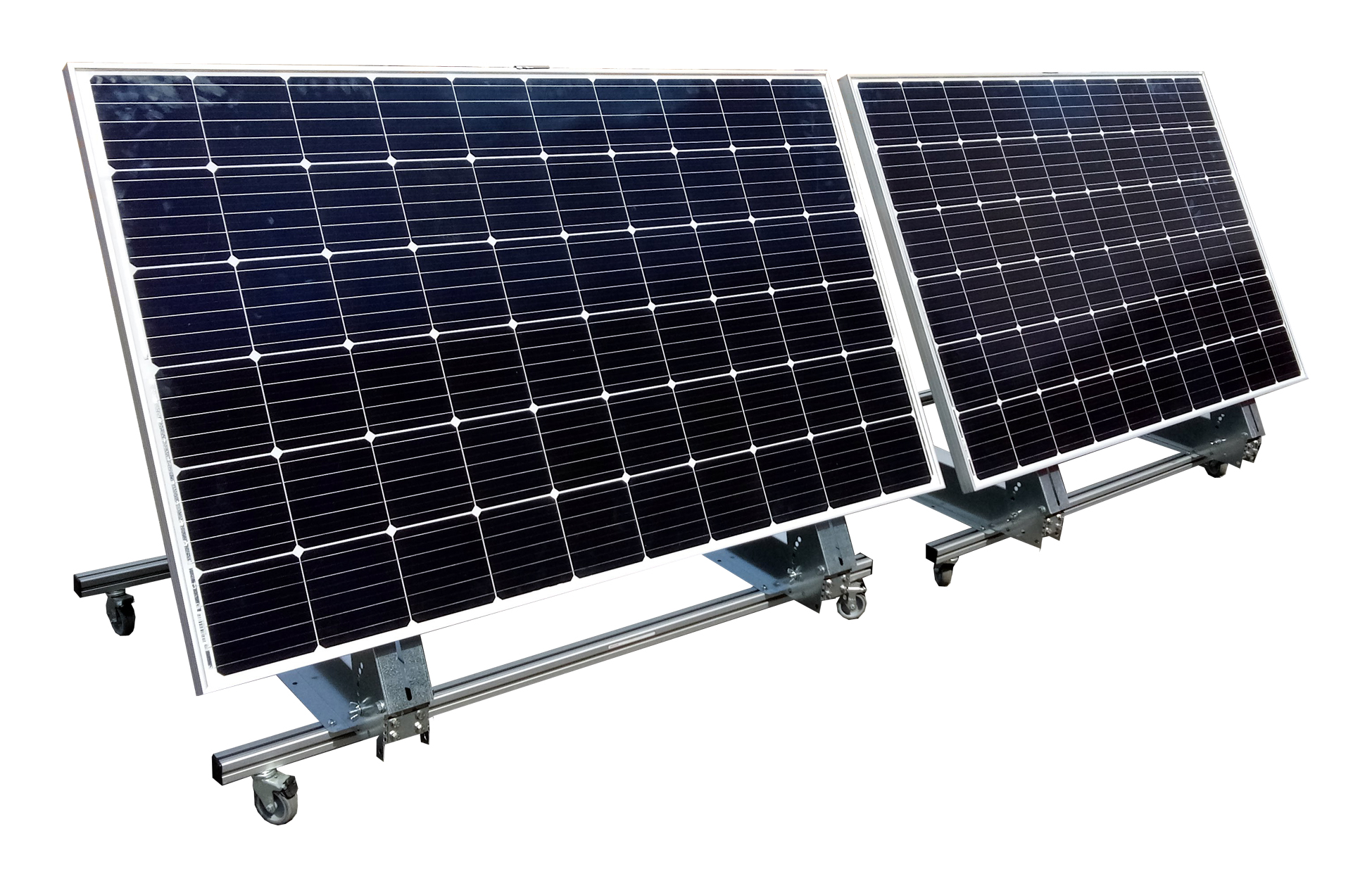
Photovoltaic power generation: 750W (2×375W) or 1500W (4×375W), depending on the version
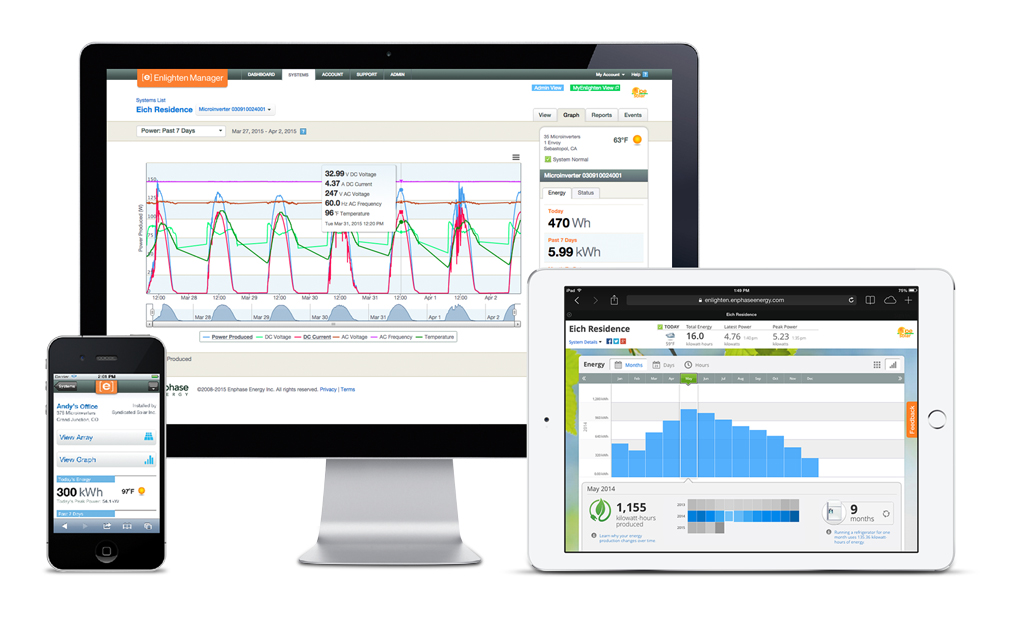
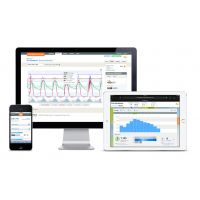
Communication and monitoring via the cloud (Enphase Envoy gateway)
Safety of photovoltaic systems (surge protection, etc.)
The Solerm Self-Consumption system is supplied with supporting documentation including 7 educational scenarios in Cpro format, with detailed instructions and answer keys.
Scenario 1: Discovery of the “PV Self-Consumption” system.
The student follows a tutorial that guides them through discovering the components of the self-consumption photovoltaic system, its operation, and its technological and environmental developments.
Scenario 2: Installation and connection of PV modules with micro-inverters and the UTE 15-712-1 protection box.
The student becomes aware of the differences between types of current (direct or alternating), understands the influence of module orientation and tilt, and follows a connection guide while performing post-installation checks.
Scenario 3: Installation and wiring of the “UTE 15-100” distribution board and the “UTE 15-712-3” storage battery.
The student installs and wires the storage and regulation unit, connects it to the main electrical distribution board, and performs post-installation checks.
Scenario 4: Installation and wiring of the ENPHASE ENVOY gateway and network connection.
The student installs and connects the ENPHASE ENVOY gateway and configures the network connection in order to collect data on the Enphase Energy cloud platform.
Scenario 5: Technological choices and installation study of a PV generator.
Performance is analyzed and monitored according to the choice of PV cells and environmental conditions. The student selects the type of silicon, chooses the structural components, and determines the installation conditions of the PV generator according to site constraints (environment, sunlight exposure, orientation, tilt, shading, wind, lightning, etc.), in compliance with the specifications to achieve maximum efficiency.
Scenario 6: Commissioning and installation of a photovoltaic generator.
The student performs self-checks on the PV self-consumption installation in compliance with standards NF C 15-712-1, NF C 15-712-3, and NF C 15-100. The student also learns about the administrative procedures required for connection requests, then completes the certificate of conformity and the mandatory ENEDIS agreements.
Scenario 7: Delivery of a self-consumption photovoltaic installation.
The student performs self-checks on the PV installation in compliance with standards NF C 15-712-1, NF C 15-712-3, and NF C 15-100. The student carries out dynamic system checks and online operation monitoring, presents the system to the client, and completes the intervention report.
AX10: Solerm self-consumption system 750 Wp (Enphase microinverters)
AX11: Option – Two PV modules (2 × 375 Wp) and wheeled support frame for AX10 extension
AX22: Option – Centralized Enphase battery storage for microinverters, 3500 Wh, for AX10
AX30: Educational framework for integrated PV installation, including safety equipment for working at height